Unmute began with a simple idea: many people are not short on stories, they are short on spaces that can hold those stories with enough patience, warmth, and structure. We design those spaces on purpose.
Everything about Unmute is designed to shape the feeling of the room: who gets invited, how people speak, how facilitators hold pace, and what happens when someone needs more care.
We reflect before we react. The goal is not to fix someone on the spot, but to let them feel heard in full.
We use gentle facilitation, clear prompts, and turn-taking so the circle feels safe without becoming scripted.
No recordings, limited data, and careful boundaries around what belongs in the room and what does not.
Captions, slower pacing, optional camera use, and one-speaker flow are not extras. They are part of the design.
We focus less on scale and more on atmosphere. That means careful curation, clear expectations, and enough warmth that people do not have to fight for the room.
We keep circles intentionally small so listeners can stay present and every story has time to land without competing for attention.
There is a person holding rhythm, boundaries, and transitions. That changes the emotional temperature of the whole experience.
We are not building a stage for polished self-expression. We are building a place where unfinished thoughts can still belong.
Unmute is not a therapy product and not a social feed. It sits somewhere else: a carefully moderated human environment for honesty, reflection, and connection.
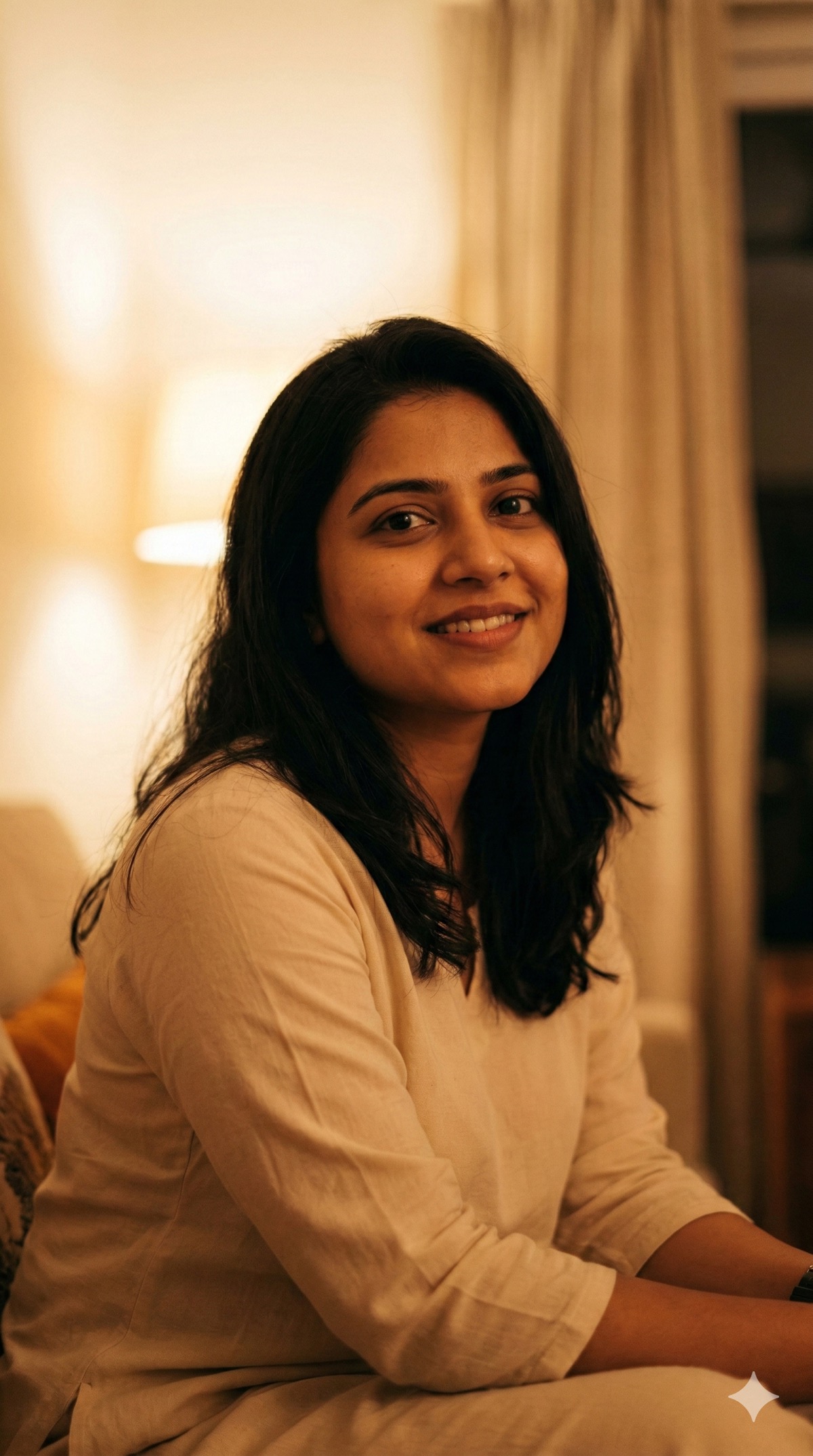
Every session is designed so the story remains central: clear pacing, no interruptions, and enough stillness that people do not have to oversell their emotions to be taken seriously.
That also means careful boundaries. Unmute is not a substitute for therapy, crisis support, or clinical care. It is a community format with strong facilitation and thoughtful limits.